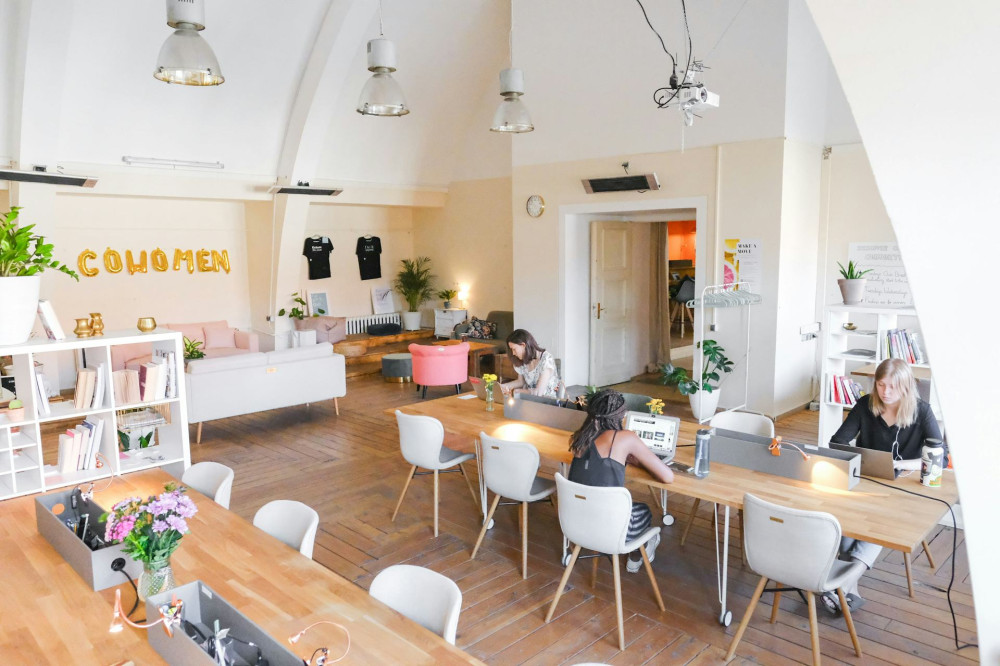
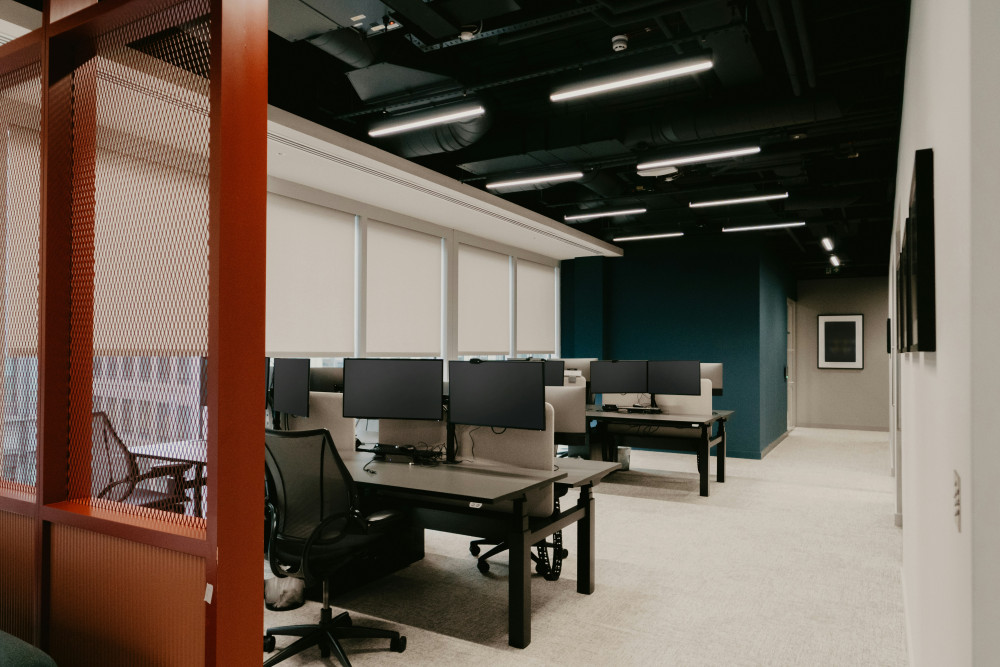
More daylight without windows? Create a natural light environment with smart solutions

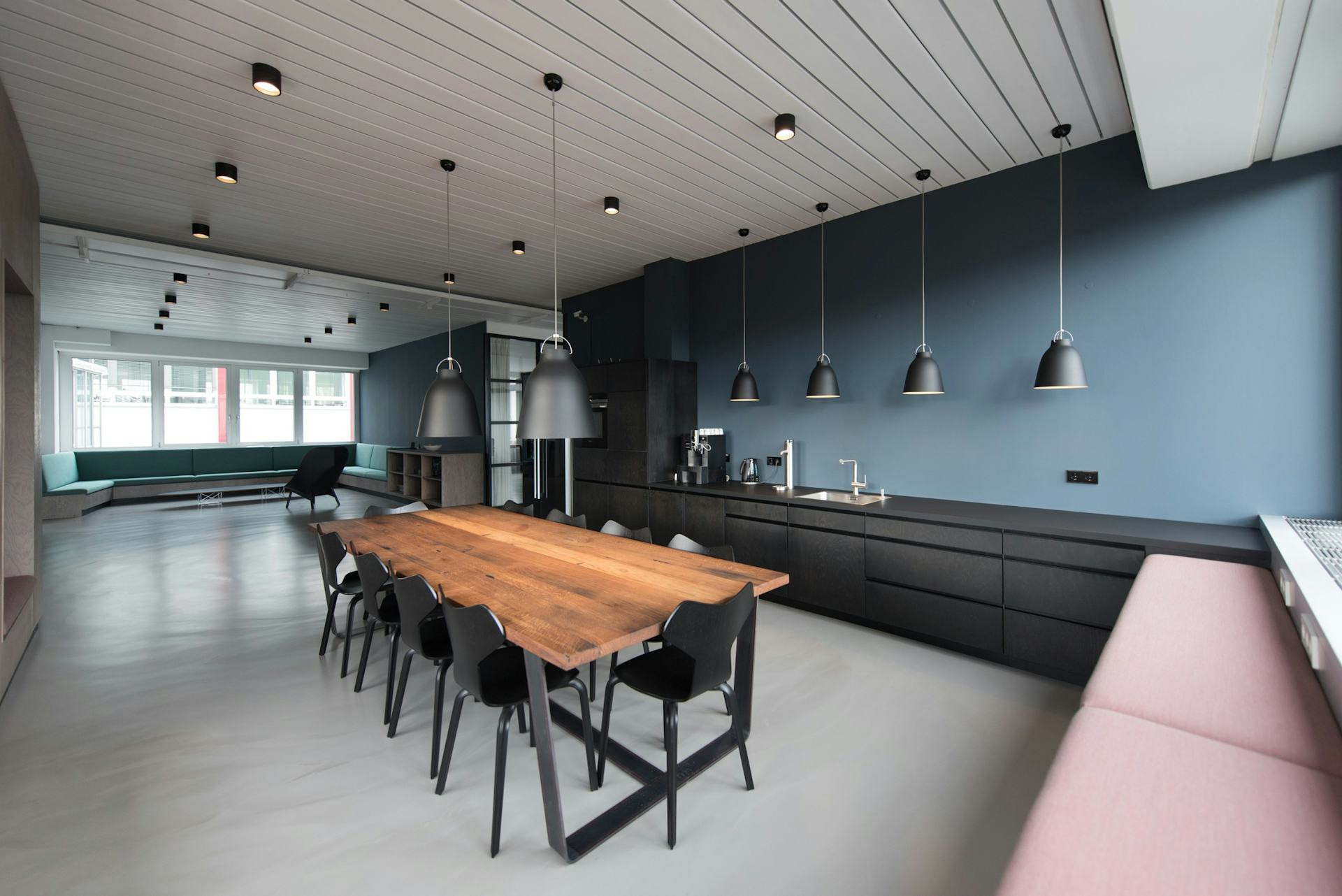
More daylight without windows? Create a natural light environment with smart solutions
Daylight plays a vital role in our well-being, focus, and energy levels. But what if you work in a room without windows, or your building simply doesn’t allow much natural light? Fortunately, there are now smart lighting solutions that can mimic the quality of daylight and create a more natural light environment—even in enclosed spaces.
Why daylight matters so much
Our bodies are designed to follow the natural rhythm of day and night, known as the circadian rhythm, which is regulated by light and darkness. When we don’t get enough daylight, it can affect our mood, sleep, and productivity. Studies show that people who work in well-lit environments tend to be more alert, less fatigued, and generally happier.
That’s why modern lighting design is not just about visibility—it’s about supporting our natural rhythm, even when sunlight isn’t available.
Dynamic lighting – artificial light that feels natural
One of the most effective solutions is dynamic lighting, also known as human-centric lighting. This type of lighting changes its color temperature and brightness throughout the day to imitate the movement of the sun.
- In the morning, the light can be cool and bright to boost energy.
- Around midday, it becomes more neutral and steady.
- In the evening, it softens and turns warmer, signaling the body to relax.
Dynamic lighting can be automated and is suitable for offices, schools, and homes. The result is a more comfortable and natural light environment that helps maintain your body’s rhythm.
Ceiling panels that simulate daylight
Another popular option is LED sky panels, which can be installed in the ceiling to simulate daylight. Some even display a realistic blue sky with soft clouds, giving the illusion of a window above you.
These panels use energy-efficient LED technology and can be adjusted in both brightness and color temperature. They are especially useful in basements, meeting rooms, or windowless offices, where they can completely transform the atmosphere.
Reflect and amplify the light you have
Even small amounts of natural light can be maximized with the right design choices. Mirrors, light-colored walls, and reflective surfaces help distribute light more evenly throughout a room.
Place mirrors strategically to catch and reflect any available light, or use glass partitions and open layouts to let light travel deeper into the space. In Indian homes and offices, where sunlight can be intense in some areas and scarce in others, this approach helps balance brightness naturally.
Smart lamps and sensors
Modern technology makes it easy to let your lighting adjust automatically. Smart lamps with built-in sensors can detect how much natural light is present and adapt their brightness accordingly.
This ensures you always have the right amount of light—without manual adjustments. It also saves energy, as the lights only operate when needed, which is especially valuable in India’s energy-conscious and sustainability-focused environments.
Læs også:

Design and planning make the difference
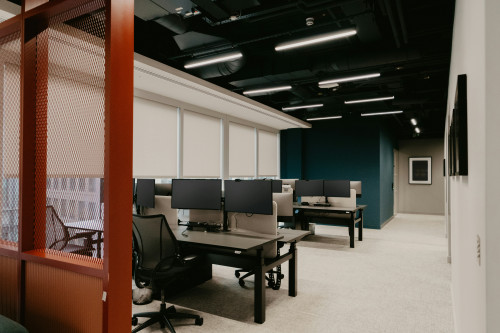
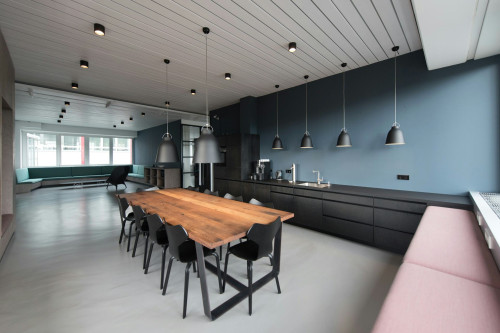
When designing a room without windows, it’s important to think holistically. Light, color, and materials all work together to shape the atmosphere.
- Choose light wall colors and matte finishes to reflect light evenly.
- Avoid dark ceilings, which can make a room feel smaller.
- Create lighting zones for different activities to add depth and variation.
A well-lit space isn’t just about one lamp—it’s about achieving balance between function, comfort, and aesthetics.
A brighter life – even without windows
While nothing can truly replace natural sunlight, modern lighting technology can come remarkably close. With dynamic lighting, realistic sky panels, and thoughtful interior design, you can create a space that feels bright, natural, and uplifting—even without windows.
Ultimately, it’s about giving your body and mind the best conditions to thrive. Because when the light is in balance, so are we.
Læs også: