Flexible Home Office: How to Design a Workspace That Adapts to Your Needs

Flexible Home Office: How to Design a Workspace That Adapts to Your Needs
Working from home has become a regular part of life for many professionals in India. Whether you’re a freelancer, a remote employee, or running your own business, your home office needs to be more than just a desk and a chair. It should be a space that supports productivity, comfort, and balance. A flexible home office allows you to adapt your workspace to your changing needs — from long workdays to family time or creative projects. Here’s how you can design a home office that works for you.
Start by Defining Your Needs
Before you start rearranging furniture or shopping for new equipment, take a moment to think about how you actually use your workspace. Do you spend most of your time on video calls, writing, or designing? Do you need space for multiple people, or should the setup be easy to pack away at the end of the day?
Make a list of your key requirements:
- Work functions: Do you need a quiet space for calls, or a large surface for creative work?
- Available space: Are you working in a separate room, a corner of your bedroom, or a shared living area?
- Flexibility: Should your workspace double as a guest room or dining area when needed?
Once you understand your needs, it becomes easier to choose furniture and tools that fit your lifestyle.
Create Zones – Even in Small Spaces
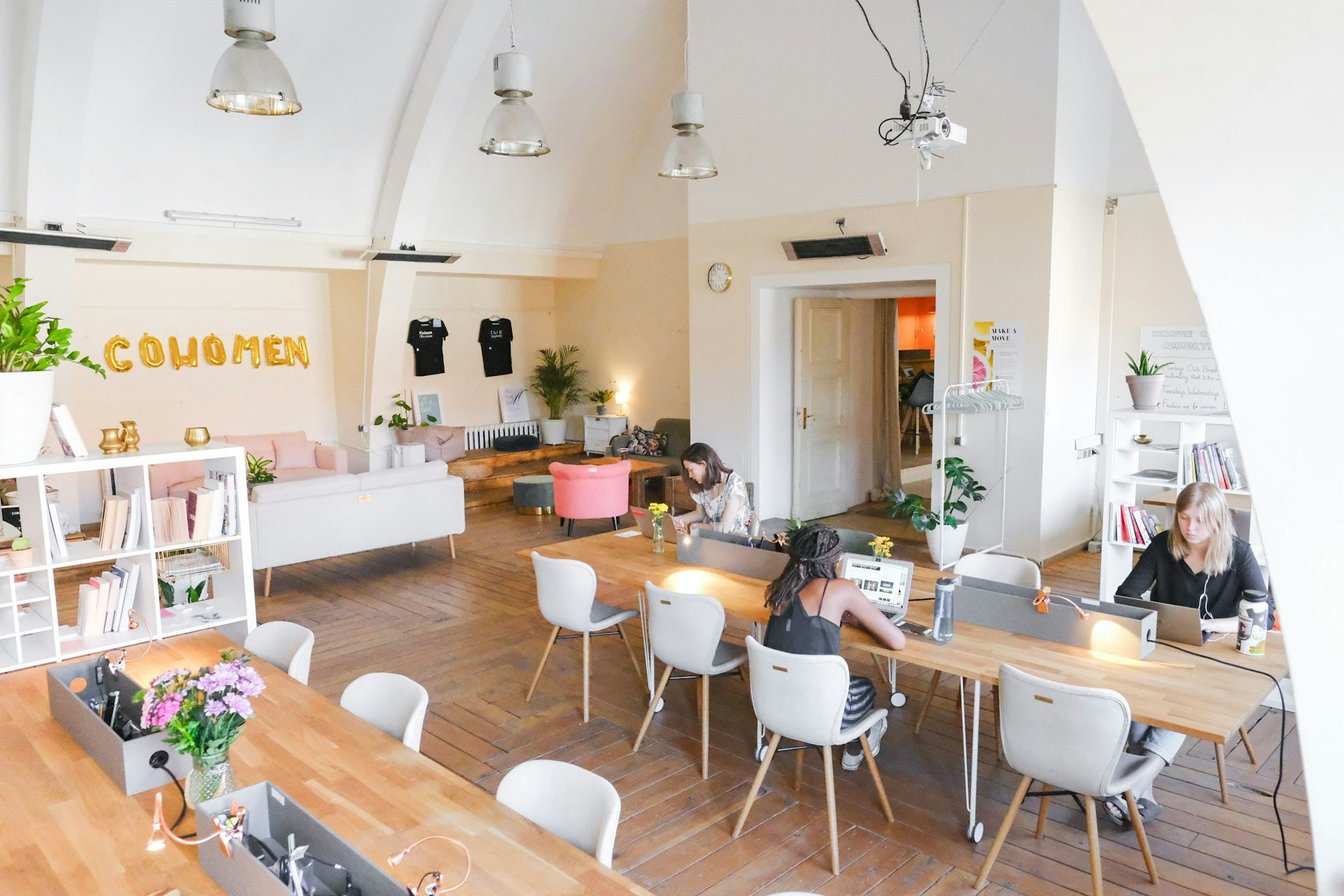
Even in compact Indian apartments, you can create a clear boundary between work and personal life. Think in terms of zones. A zone can be defined by a rug, a bookshelf divider, or simply a change in lighting.
If you work in your living room, a foldable desk or a height-adjustable table on wheels can help you transform the space quickly. When the workday ends, you can pack away your office setup and reclaim your living area.
If you have more space, consider setting up a dedicated corner or a small room for work. Being able to close the door — even symbolically — helps you switch off mentally after hours.
Læs også:
Ergonomics and Comfort – Your Body Will Thank You
A flexible home office should be comfortable as well as functional. Many people underestimate how much difference a good chair and proper desk height can make to focus and well-being.
- Choose an ergonomic chair that supports your back and can be adjusted for height and tilt.
- Use a height-adjustable desk if possible, so you can alternate between sitting and standing.
- Ensure good lighting – natural light is best, but pair it with a task lamp for evenings.
- Take breaks and move around – flexibility also means giving your body variety.
Even small adjustments, like raising your laptop to eye level or using an external keyboard, can make a big difference over time.
Multifunctional Furniture and Smart Solutions
In many Indian homes, space is at a premium. That’s why multifunctional furniture can make your home office far more adaptable.
- A folding table can serve as a work desk during the day and a dining table at night.
- A storage cabinet with doors can hide office supplies when you’re off duty.
- A whiteboard or corkboard can help you plan your week and stay inspired.
- A portable screen or curtain can create privacy during video calls and add a decorative touch.
By choosing furniture that can change function, you make your workspace more versatile and better suited to your daily rhythm.
Create Calm and Focus Through Design
A peaceful work environment isn’t just about silence — it’s also about atmosphere. Colours, plants, and materials all influence how you feel in a space.
- Neutral or earthy tones like beige, soft green, or light blue promote calm and concentration.
- Indoor plants such as money plants, snake plants, or peace lilies improve air quality and bring freshness.
- Smart storage keeps clutter out of sight — use baskets, drawers, and shelves to stay organised.
- Personal touches like photos, art, or a favourite mug make the space feel inviting.
Your home office doesn’t have to look corporate. It should feel like a natural part of your home — a place where you enjoy spending time.
Technology That Supports Flexibility
A modern home office relies on more than just a laptop. The right technology can make your workday smoother and more efficient.
- Wireless accessories like a keyboard, mouse, and headset give you freedom to move.
- An extra monitor can boost productivity, especially if you handle multiple documents or design work.
- Cable management keeps wires tidy and your workspace visually calm.
- Reliable internet is essential — consider a backup connection if your work depends on video meetings.
When your tech setup runs smoothly, you can focus on your tasks instead of troubleshooting.
Make the Space Your Own
A flexible home office should reflect your personality. Think about what motivates you — maybe a motivational quote on the wall, a photo from a memorable trip, or a colour that energises you.
The goal is to create a space where you feel comfortable and inspired. When your workspace feels personal, it’s easier to stay motivated and enjoy your workday.
A Workspace That Grows With You
Your needs will change over time — new projects, new family members, or new routines. A flexible home office is designed to evolve with you. By choosing modular furniture, movable elements, and a thoughtful layout, you can easily adjust your workspace as life changes.
A great home office isn’t static — it grows and adapts with you, helping you stay productive, comfortable, and balanced every day.
Læs også: