The Office’s Journey: From Cubicles to Modern, Flexible Work Zones


The Office’s Journey: From Cubicles to Modern, Flexible Work Zones
Over the past few decades, the office has transformed dramatically. From the rigid cubicles of the 1980s and 1990s to today’s open, flexible workspaces, the evolution reflects technological progress, changing work cultures, and a growing focus on employee well-being. In India, where the workforce is young, dynamic, and increasingly digital, this transformation has taken on a unique character shaped by local culture and global trends.
From Cubicles to Collaboration
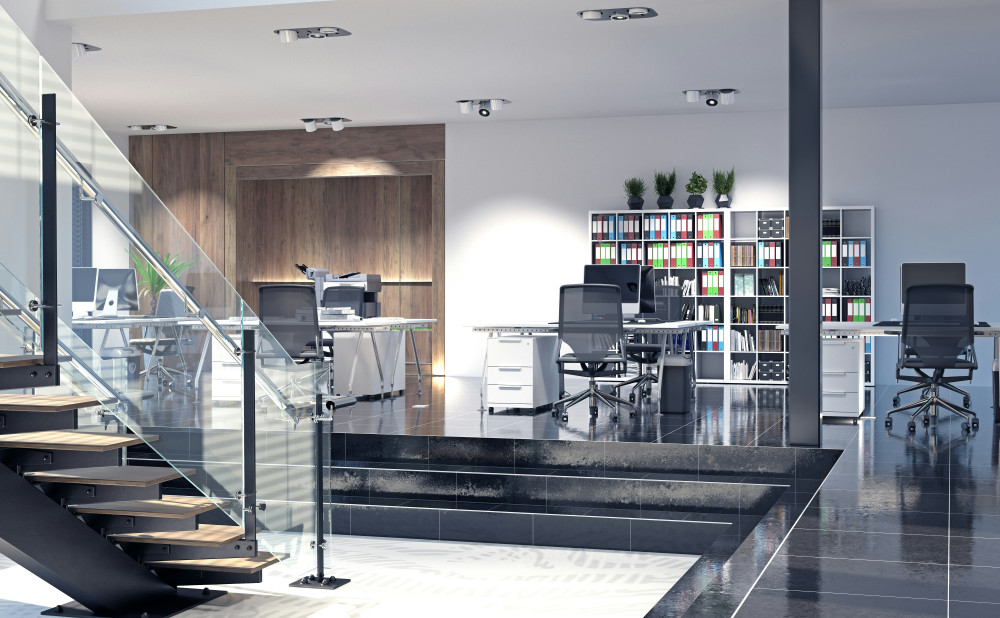
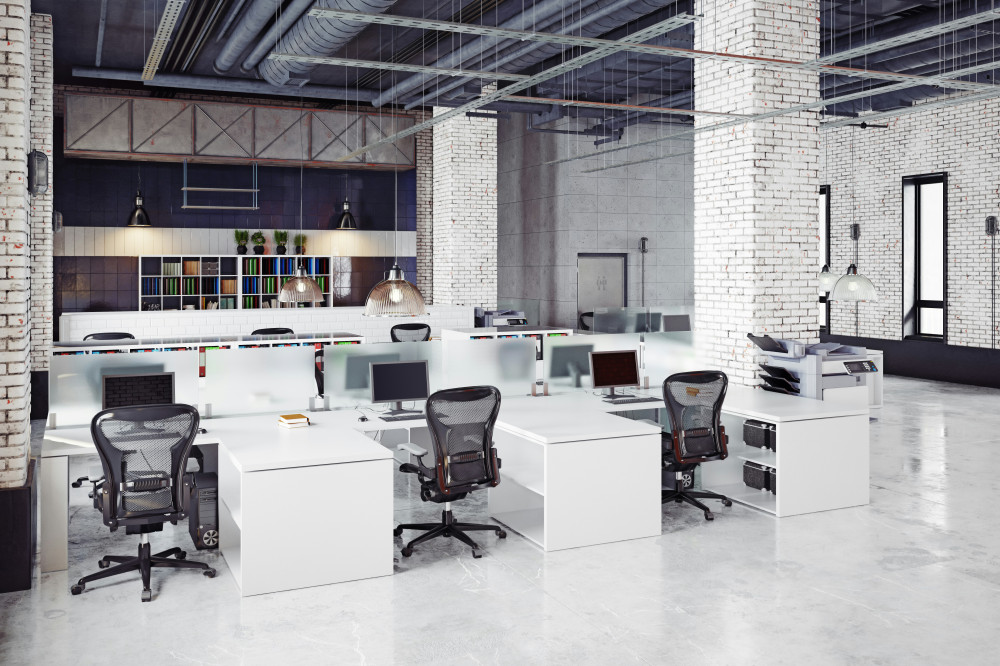
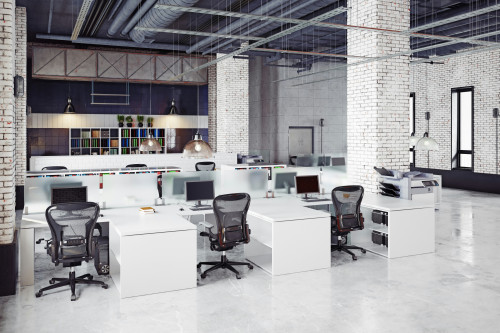
For many years, the cubicle symbolized the modern office. Each employee had a defined space, a desk, and a computer. It offered privacy and focus but often limited interaction. As Indian companies expanded and globalized, the need for collaboration and innovation grew. Open-plan offices became popular, especially in the IT and service sectors that flourished in cities like Bengaluru, Hyderabad, and Pune. These layouts encouraged teamwork and faster communication—but also brought challenges such as noise and lack of personal space.
Technology as the Game Changer
The digital revolution has been the single biggest driver of change. With laptops, cloud computing, and high-speed internet, work is no longer tied to a specific desk or even a specific location. Indian companies, from startups to large multinationals, have embraced digital tools that enable remote and hybrid work. Video conferencing, project management platforms, and virtual collaboration tools have made it possible for teams to stay connected across cities and time zones.
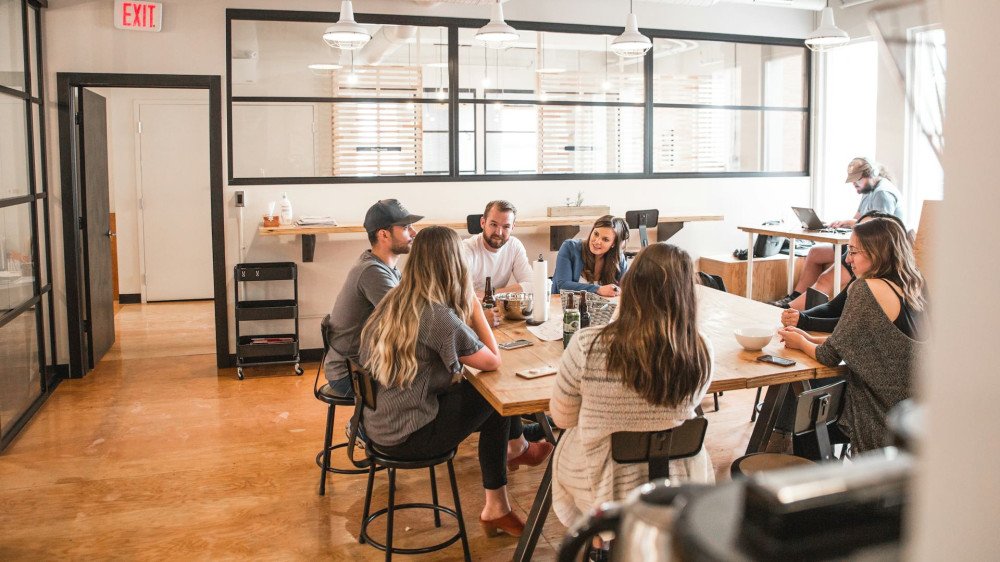
This shift has inspired new office concepts such as activity-based work zones, where employees choose their workspace based on the task at hand—quiet areas for focused work, collaborative zones for brainstorming, and informal lounges for creative discussions.
Læs også:
The Office as a Cultural Hub
Even as remote work becomes more common, the physical office remains vital in India. It serves as a cultural and social hub—a place where company values are experienced and relationships are built. For many employees, especially younger professionals, the office is also a space for learning, mentorship, and community.
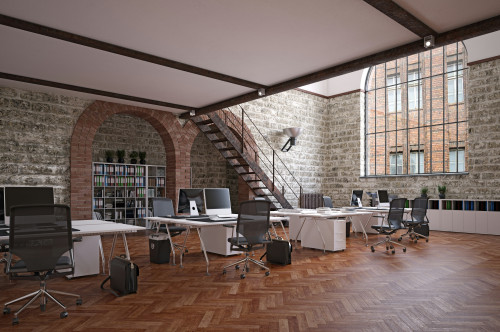
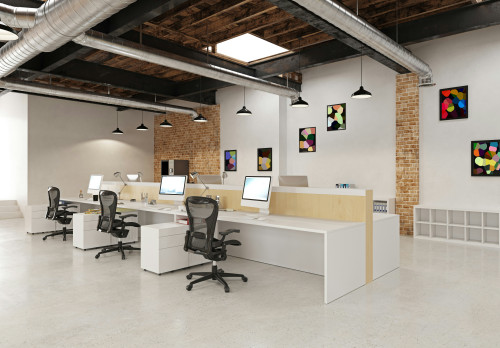
Modern Indian offices are increasingly designed to reflect this. Natural light, greenery, ergonomic furniture, and vibrant interiors are becoming standard features. Many organizations are also integrating local art and sustainable materials to create spaces that feel both inspiring and rooted in Indian identity.
Flexibility in the Post-Pandemic Era
The COVID-19 pandemic accelerated the shift toward flexible work. Hybrid models—where employees split their time between home and office—are now common across sectors. This has led to a rethinking of office design: fewer fixed desks, more meeting zones, and better digital infrastructure to support seamless collaboration between on-site and remote workers.
Flexibility, however, is not just about physical space. It’s also about trust and culture. Indian companies are learning that empowering employees to choose how and where they work can boost productivity, creativity, and satisfaction. Leadership styles are evolving from monitoring attendance to focusing on outcomes.
The Future: A Dynamic Ecosystem
The future office in India will not be a single, static concept but a dynamic ecosystem that adapts to changing needs. It will blend technology, sustainability, and human connection. Some days it will serve as a creative hub; on others, as a quiet retreat for deep work. Smart building systems, energy-efficient designs, and wellness-focused layouts will play a key role.
Ultimately, the goal is no longer just to provide a place to work, but to create environments that nurture innovation, collaboration, and well-being. The office’s journey—from cubicles to flexible work zones—is far from over. It continues to evolve alongside India’s vibrant and ever-changing world of work.
Læs også: