From chaos to clarity: How labels turned our warehouse into a zen zone
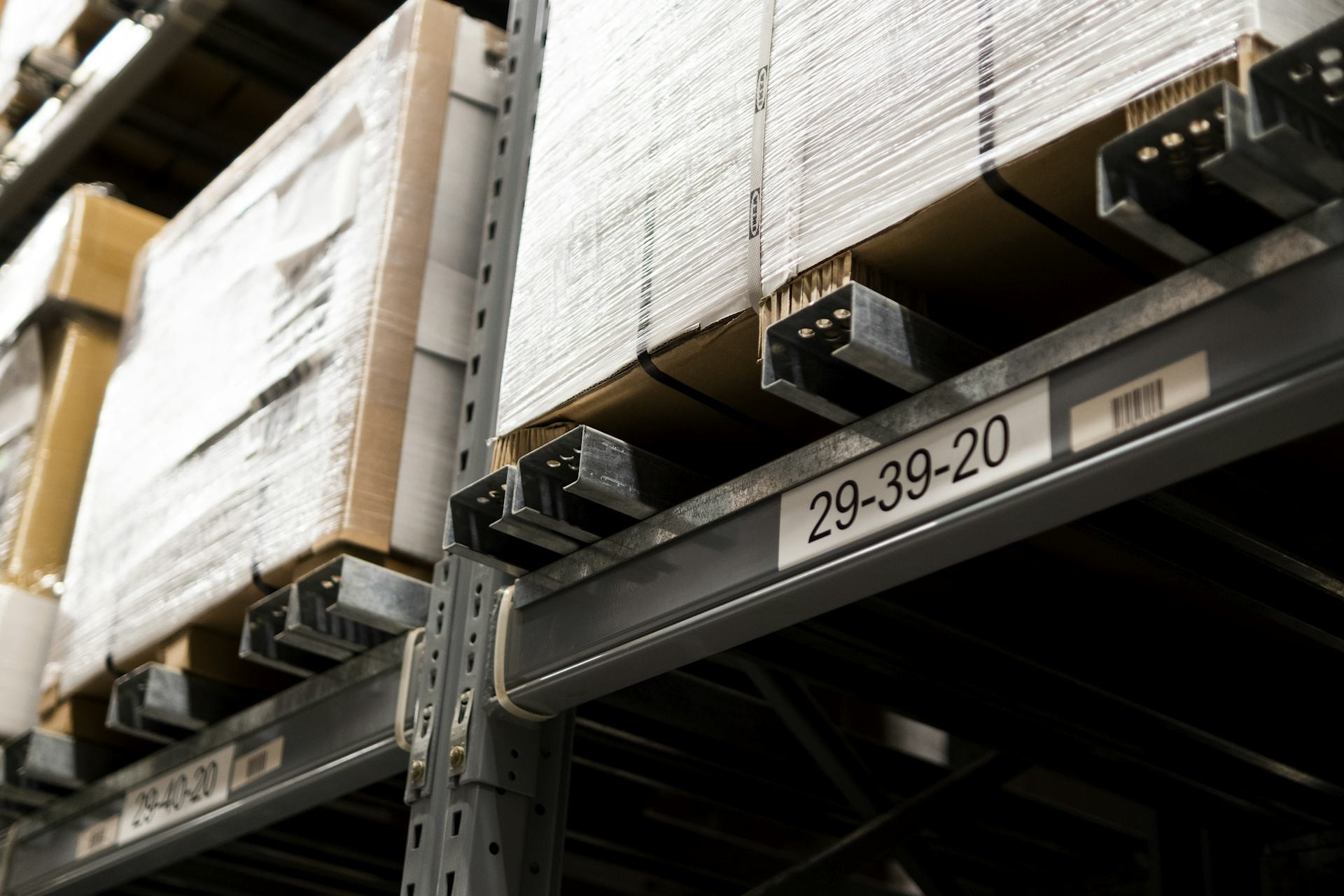
From chaos to clarity: How labels turned our warehouse into a zen zone
In the fast-paced world of logistics and warehousing, efficiency is paramount. For many businesses, a well-organized warehouse can mean the difference between success and failure. However, achieving that organization often seems like an insurmountable task. This was a challenge we faced in our warehouse—a sprawling space filled with goods, but lacking the necessary structure. The answer? Labels. Here’s how implementing a labeling system transformed our chaotic warehouse into a zen zone of clarity.
The Initial Maze of Confusion
Before introducing labels, our warehouse resembled a maze of confusion. Items were stacked haphazardly, with no clear organization. Forklifts zigzagged through narrow aisles as employees searched for products amidst a jumble that felt overwhelming. Time was wasted, and the potential for errors skyrocketed—a scenario nobody wanted to continue.
Our team recognized that we needed a new approach. We wanted to make our warehouse not just a storage facility but a productive space where employees could operate efficiently and safely. It became clear that the solution lay in creating a system that everyone could understand: thus, the idea of labeling was born.
The Power of Labels
When we think of labels, we often envision simple tags that identify products. However, their importance extends far beyond that. Labels serve as a visual representation of order, guiding the workflow and creating a standardized approach to inventory management.
We began by categorizing our inventory. Every section of the warehouse was assigned labels that defined the type of products stored there. Color coding became an essential part of our labeling system, allowing employees to quickly locate items based on their categories. This immediately reduced the time spent searching for products and drastically improved our overall efficiency.
Creating a User-Friendly Environment
Understanding the value of a user-friendly environment was crucial. We involved our employees in the process, asking for their input on the new labeling system. This engagement fostered a sense of ownership and helped ensure that the labels were intuitive.
We opted for large, clear fonts and symbols that were easy to read from a distance. High-quality materials guaranteed the labels would withstand the warehouse environment, remaining visible and functional. This attention to detail meant that everyone on the team could easily navigate the space, making it a far more pleasant working environment.
Streamlining Operations
Once the labeling system was in place, we witnessed a remarkable change in operational efficiency. The time spent on inventory management decreased significantly. Instead of a frantic search through clutter, employees could rely on the clear labeling to guide their actions.
Receiving new stock also became a more streamlined process. The labels allowed for quick sorting and shelving of products. As a result, we improved our turnaround times, enhancing customer satisfaction through quicker order fulfillment.
Implementing Technology
To enhance our labeling system further, we integrated technology into the process. Scanning systems, such as barcode readers, became part of our daily routine. Each label featured a corresponding barcode, allowing employees to quickly check items in and out of inventory.
This technology did not simply streamline processes; it also added an additional layer of accuracy. We minimized human error, ensuring that every item was accounted for. Our inventory levels became more accurate, leading to better decision-making and effective restocking processes.
The Zen Zone Effect
With the new systems in place, our warehouse transformed into what we now call the “zen zone.” The clutter and chaos gave way to clarity and calm. Employees reported feeling less stressed and more focused, contributing to a more positive work environment.
The sense of organization allowed employees to take pride in their workspace. They could see the immediate impact of their work, creating a culture of responsibility and teamwork. As each member of the team categorized and labeled their areas, it sparked an initiative that became contagious. What began as a simple labeling system evolved into a full-blown commitment to maintaining order.
Ongoing Improvement and Adaptability
While the transition to a labeling system significantly improved our operations, we understood that organization is an ongoing process. Regular audits and updates were scheduled to ensure the labels remained accurate and relevant. Adaptability became a key component of our new approach, with the team encouraged to suggest changes as inventory needs evolved.
By remaining flexible and open to feedback, we could continually refine our processes. This not only maintained an orderly environment but also kept our employees engaged and invested in their workspace.
Emphasizing the importance of labels has transformed more than just our warehouse; it has set a new standard for how we operate. The journey from chaos to clarity has been a rewarding one, and our zen zone continues to thrive.