Community at the Lunch Table: How Shared Meals Strengthen Team Building in the Workplace

Community at the Lunch Table: How Shared Meals Strengthen Team Building in the Workplace
Lunch breaks are often seen as a simple pause in the workday – a time to recharge before diving back into tasks. But in reality, the lunch table can be much more than that. It can be a space where colleagues connect, hierarchies fade, and a sense of belonging grows. In India, where food is deeply tied to culture and community, shared meals at work can play a powerful role in building stronger, more collaborative teams.
Lunch as a Social Connector
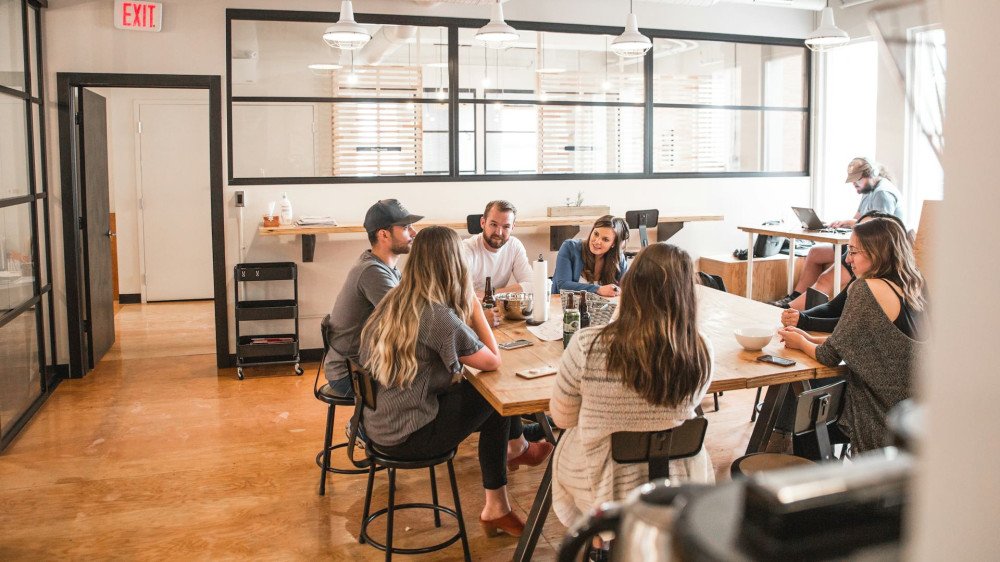
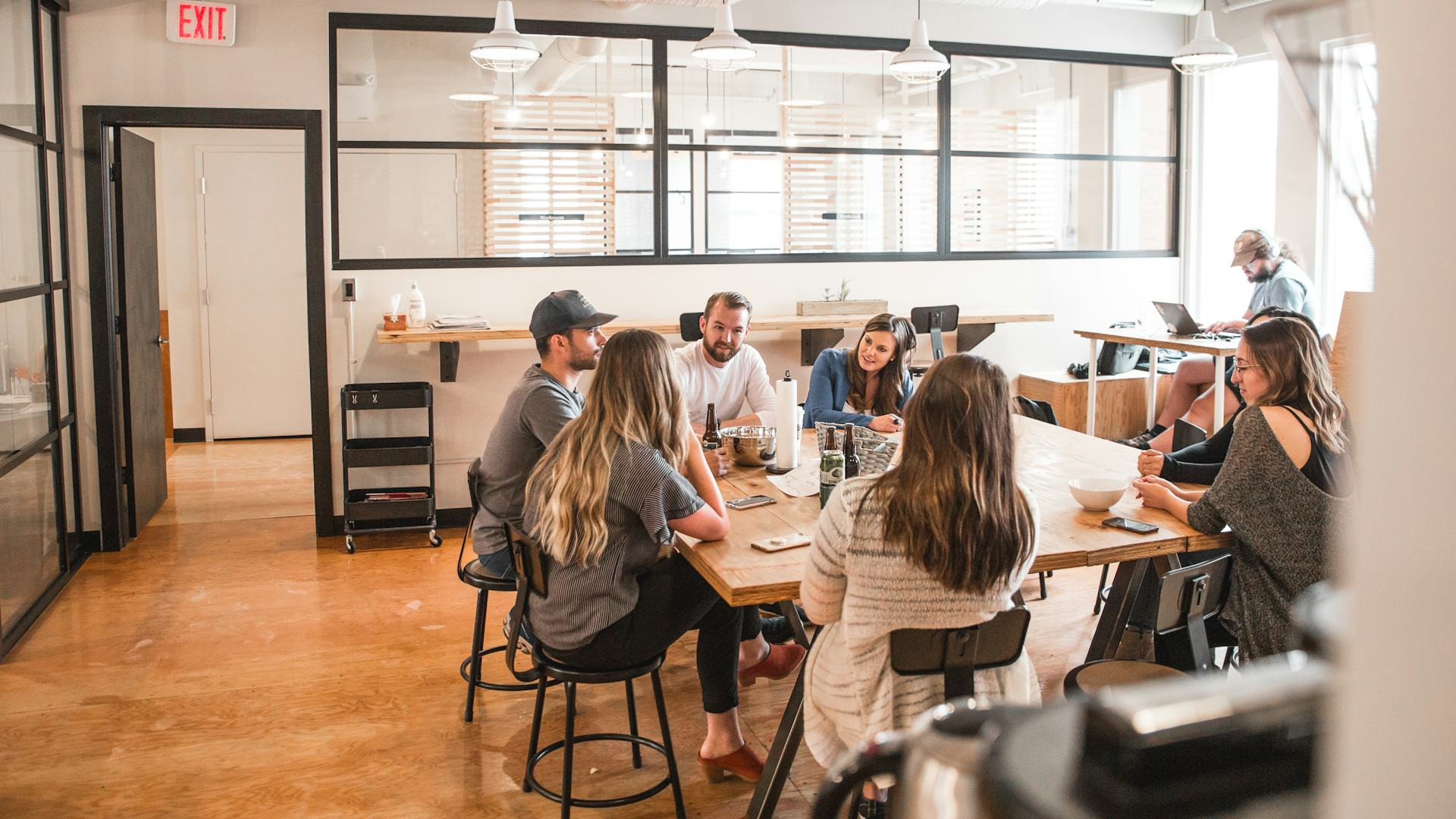
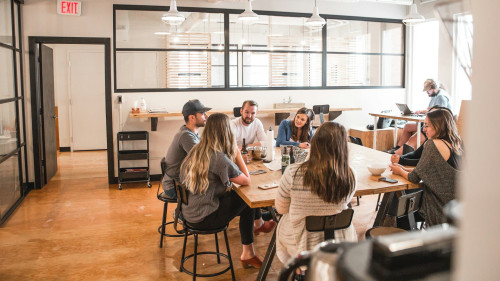
When employees eat together, conversations flow more naturally. People from different departments or levels of seniority get to know each other beyond their job titles. This informal interaction helps build trust and empathy – two essential ingredients for effective teamwork.
Studies on workplace culture show that shared meals can increase job satisfaction and strengthen team cohesion. It’s not just about the food itself, but about the act of sharing – sitting together, exchanging stories, and taking a collective break from the day’s pressures. In a country where “chai breaks” and “tiffin sharing” are already part of daily life, this sense of togetherness can easily extend into the workplace.
Læs også:

From Canteen to Culture
The way a company approaches lunch says a lot about its culture. In some offices, employees eat quickly at their desks, while others encourage everyone to gather in a common space. The latter often leads to better communication and a stronger sense of unity.
A well-managed canteen can become the heart of an organization. When the food is tasty, diverse, and served in a welcoming environment, lunch becomes something employees look forward to. Many Indian companies are now investing in healthier, regionally inspired menus that reflect the diversity of their teams. But beyond the menu, leadership must also set the tone – by valuing the lunch break as part of the workday, not a distraction from it.
Small Steps, Big Impact
Building community through food doesn’t require grand initiatives. Even small efforts can make a big difference:
- Themed lunch days – for example, “South Indian Thursday” or “Street Food Friday,” which celebrate India’s culinary diversity and spark conversation.
- Cross-department seating – encourage employees to sit with colleagues they don’t usually work with.
- Potluck lunches – invite team members to bring a dish from home, sharing both food and personal stories.
- Conversation starters – place fun questions or topics on tables to help break the ice.
The key is to keep these initiatives inclusive and voluntary. Lunch should feel like a moment of relaxation, not an obligation.
Shared Meals in a Hybrid World
With more people working remotely or in hybrid setups, maintaining social bonds can be challenging. Virtual lunch sessions or “online chai breaks” can help bridge the gap. Some companies even send meal vouchers or snack boxes to remote employees during team events, so everyone can share the same experience from different locations.
These gestures may seem small, but they reinforce the idea that connection matters – whether in person or online.
Food as a Reflection of Company Values
How a workplace handles its meals often mirrors its values. A company that promotes nutritious, sustainable, and inclusive dining options sends a message of care – for its people, its culture, and the environment. In India, where food is a symbol of hospitality and respect, this approach can strengthen employees’ pride in their organization.
When people feel appreciated – even through something as simple as a shared meal – their motivation and sense of belonging grow. Lunch, then, becomes more than nourishment; it becomes a statement of identity and community.
A Meal That Brings Us Together
The lunch table is one of the most underrated spaces for team building. It doesn’t require workshops or formal exercises – just time, openness, and a willingness to connect. In the fast-paced rhythm of modern work, these shared moments can nurture the culture that keeps teams strong and engaged.
So the next time you sit down for lunch with your colleagues, remember: it’s not just a break. It’s an opportunity to build community, one meal at a time.
Læs også: